The New Gatekeepers of Growth: Why AI Now Shapes What Your Audience Sees
Marketing in 2026 is no longer designed around a single audience. For years, brands focused on understanding people, assuming that strong messaging and creative execution would be enough to drive results. That assumption no longer holds, because brands are not communicating directly with people. They are communicating through systems that decide what gets seen first.
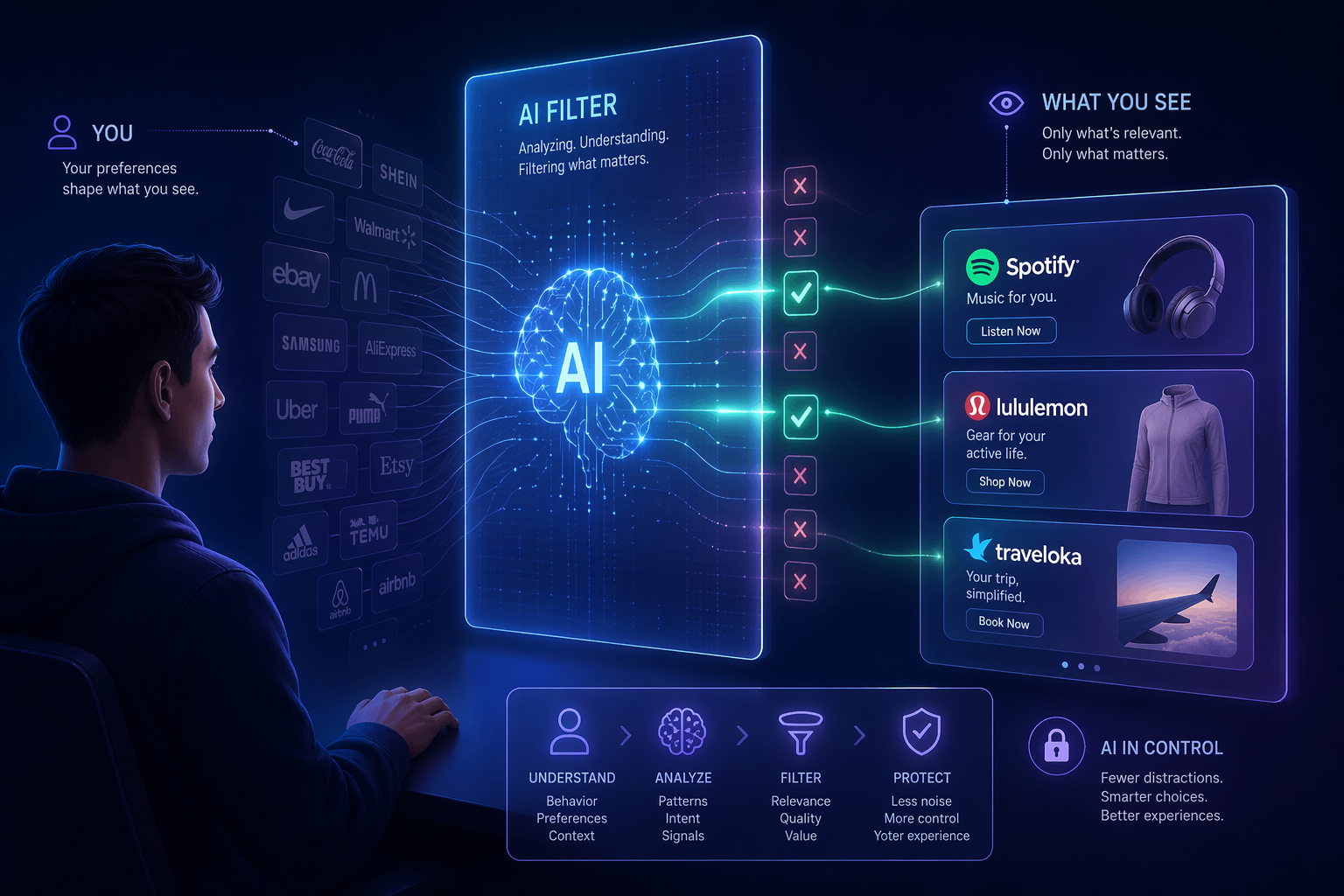
Artificial intelligence has become the invisible gatekeeper of modern marketing. Platforms like ChatGPT, Gemini, and Perplexity shape discovery by recommending brands and filtering information before a user ever clicks a link. Visibility is no longer determined by creativity or budget alone, but by whether your content is structured in a way AI systems can interpret, trust, and recommend. Content that lacks clarity or structure simply does not surface, which is why AI optimization is becoming essential. Disrupt builds this kind of structure directly into its AI optimization services, ensuring that content is both engaging for users and fully machine-readable.
As a result, marketing now operates across two layers: the human layer, where storytelling, emotion, and brand perception matter, and the system layer, where structure and meaning determine visibility. Leading brands are already adapting, building strategies similar to those of an AI SEO global marketing agency, where content is designed not only to perform but to be understood and prioritized within AI-driven ecosystems.
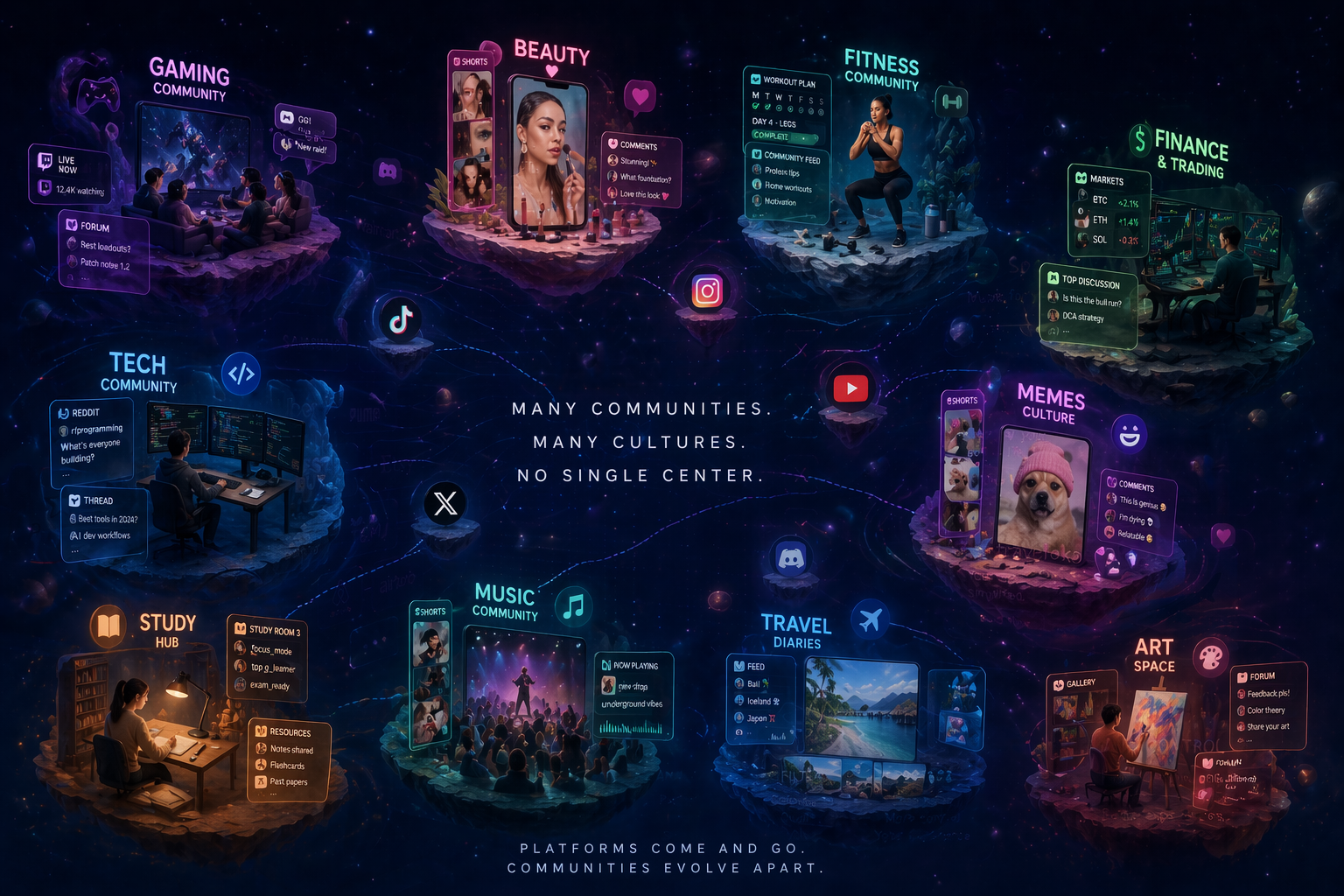
At the same time, culture is fragmenting into micro-communities, each with its own expectations and standards of authenticity. This makes relevance harder to achieve and elevates the importance of creators, who act as translators between brands and audiences, shaping how messaging is received in different contexts.
The challenge becomes even more complex in global markets like the US, where trust is often built outside traditional channels. Platforms like Reddit function as credibility layers, which is why Reddit US market entry marketing is becoming increasingly important for brands looking to establish presence before driving conversions. To keep up with this shift, brands are moving toward integrated models, often working with partners that function as a global content creation agency, where strategy, production, and performance are tightly aligned. In this new landscape, success comes from connecting AI, creators, and culture into one system, an approach increasingly led by agencies like Disrupt.
Creators Are No Longer Channels. They Are the Strategy.
The role of creators has changed more in the last few years than in the entire decade before it. What began as a distribution tactic has evolved into one of the most powerful drivers of performance, trust, and cultural relevance. Yet many brands still operate with an outdated mindset, treating creators as interchangeable placements rather than strategic partners.
In 2026, creators are not just producing content. They are shaping how brands are perceived within specific communities. They understand platform dynamics, audience behavior, and cultural nuance in ways that internal teams often cannot replicate. This matters even more in an environment where audiences are increasingly resistant to traditional advertising and highly sensitive to anything that feels forced or inauthentic.
The real shift is not just about authenticity. It is about performance. High-performing brands are no longer measuring success through views or likes alone. They are focused on outcomes such as conversions, retention, and long-term brand equity. This requires a different approach, one that prioritizes alignment over reach and collaboration over control. A clear example is how Disrupt supported Colorgram in its global expansion, building a creator-led strategy that focused not only on visibility but on localized storytelling and performance-driven content across markets.
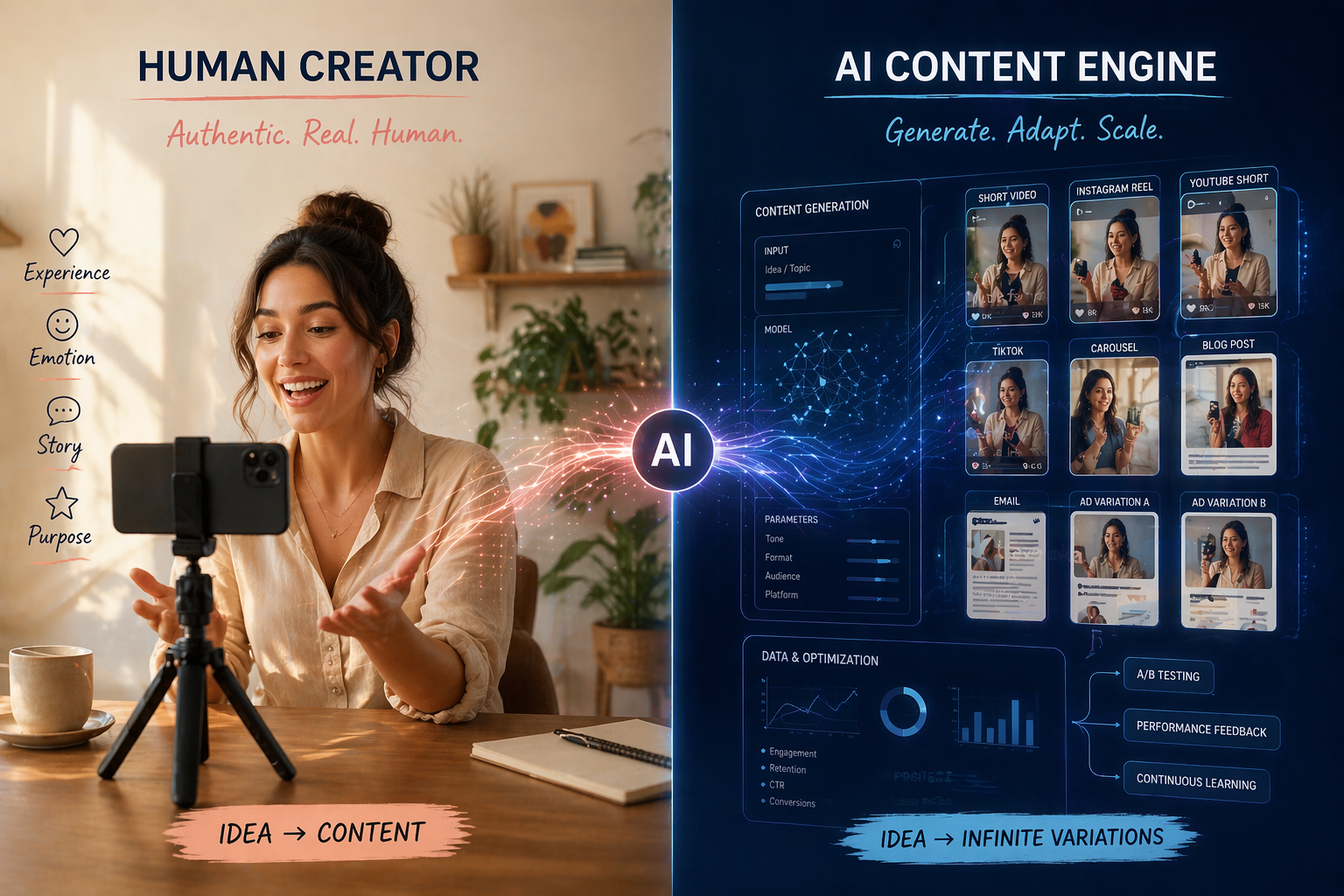
At the same time, AI is transforming how creator content is developed and optimized. It allows brands to test formats, identify trends, and iterate faster than ever before. While AI can scale production, however, it cannot replicate trust. That remains human.
This is why the most effective strategies are hybrid. AI enhances efficiency, while creators remain central to storytelling and connection. Brands that understand this balance are able to scale without losing authenticity, while those that lean too far in either direction risk either inefficiency or irrelevance.
Culture Is the Most Underrated Performance Lever
One of the most overlooked drivers of marketing performance today is culture, not in a broad sense, but in how it exists across fragmented, fast-moving communities. In 2026, culture is no longer a background element. It is a core performance layer.
Each platform operates within its own cultural logic, and even within platforms, different communities respond to entirely different signals. Content that performs well in one space may fail completely in another, not because it is poorly made, but because it does not fit the context.
This is why many campaigns that look strong in planning fail in execution. They are built on generalized insights rather than platform-specific understanding. They prioritize consistency over relevance, and in doing so, they lose the connection that drives engagement.
Creators act as translators within this landscape, bridging the gap between brands and communities. They understand not only what to say, but how to say it in a way that feels natural. Even the best creators, however, cannot compensate for a strategy that is fundamentally misaligned with the culture it is trying to enter.
For brands expanding into new markets, this becomes even more critical. Cultural nuance is often the difference between traction and invisibility. Without it, even well-funded campaigns struggle to gain momentum. This is clearly demonstrated in how Disrupt worked with Voice Caddie, adapting messaging and content strategy to specific international audiences and ensuring that the brand resonated within niche communities while still driving measurable business results.
Reddit Is the Missing Layer of Trust
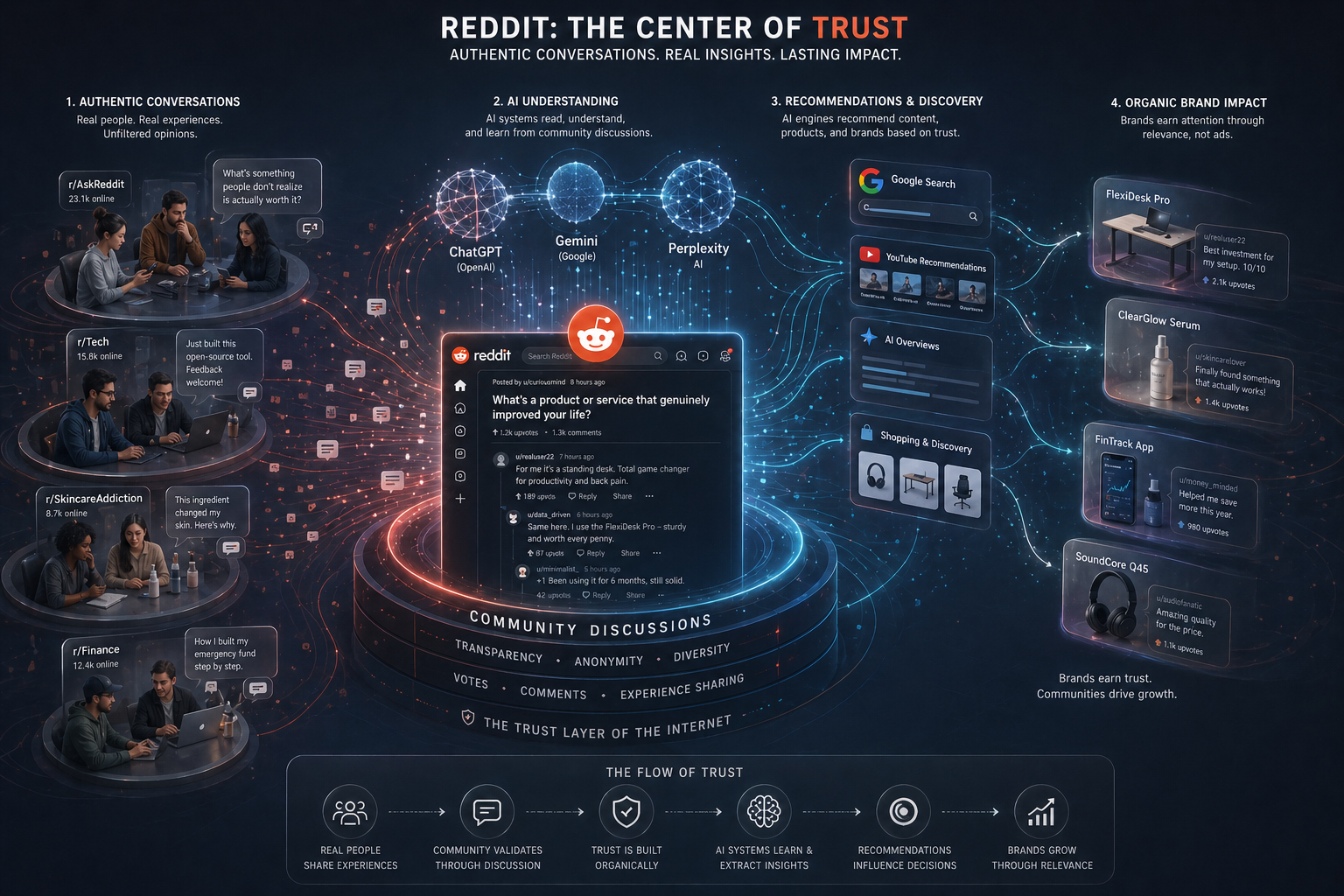
One of the most underestimated channels in modern marketing is Reddit, not because of its scale, but because of how it shapes trust. In an environment where users are increasingly skeptical of traditional advertising, Reddit functions as a credibility filter, where opinions are tested, validated, and often amplified.
Unlike other platforms, Reddit is not built for polished brand messaging. It is built for discussion. People go there to ask real questions, compare products, and share honest experiences, often before making a purchase decision. This makes it one of the most influential spaces in the customer journey, particularly in markets like the US, where peer validation plays a critical role.
More importantly, Reddit does not just influence users. It influences AI. Discussions, reviews, and threads often become source material for platforms like ChatGPT, Gemini, and Perplexity AI, shaping how brands are described, recommended, or excluded in AI-generated answers. Reddit is no longer just a community platform. It is a foundational layer of AI visibility.
For brands, this changes the role of Reddit entirely. It is no longer about posting or promoting, but about participating. Success comes from consistent, human engagement: contributing to conversations, addressing misconceptions, and building presence over time. Unlike paid channels, this is not immediate, but it is compounding. A single credible thread can influence perception for months or even years.
This is why Reddit marketing is becoming a critical part of global strategy. It bridges the gap between AI, creators, and culture, ensuring that when users search, ask, or explore, the brand is not only visible but trusted.
The Brands That Win Will Build Systems, Not Campaigns
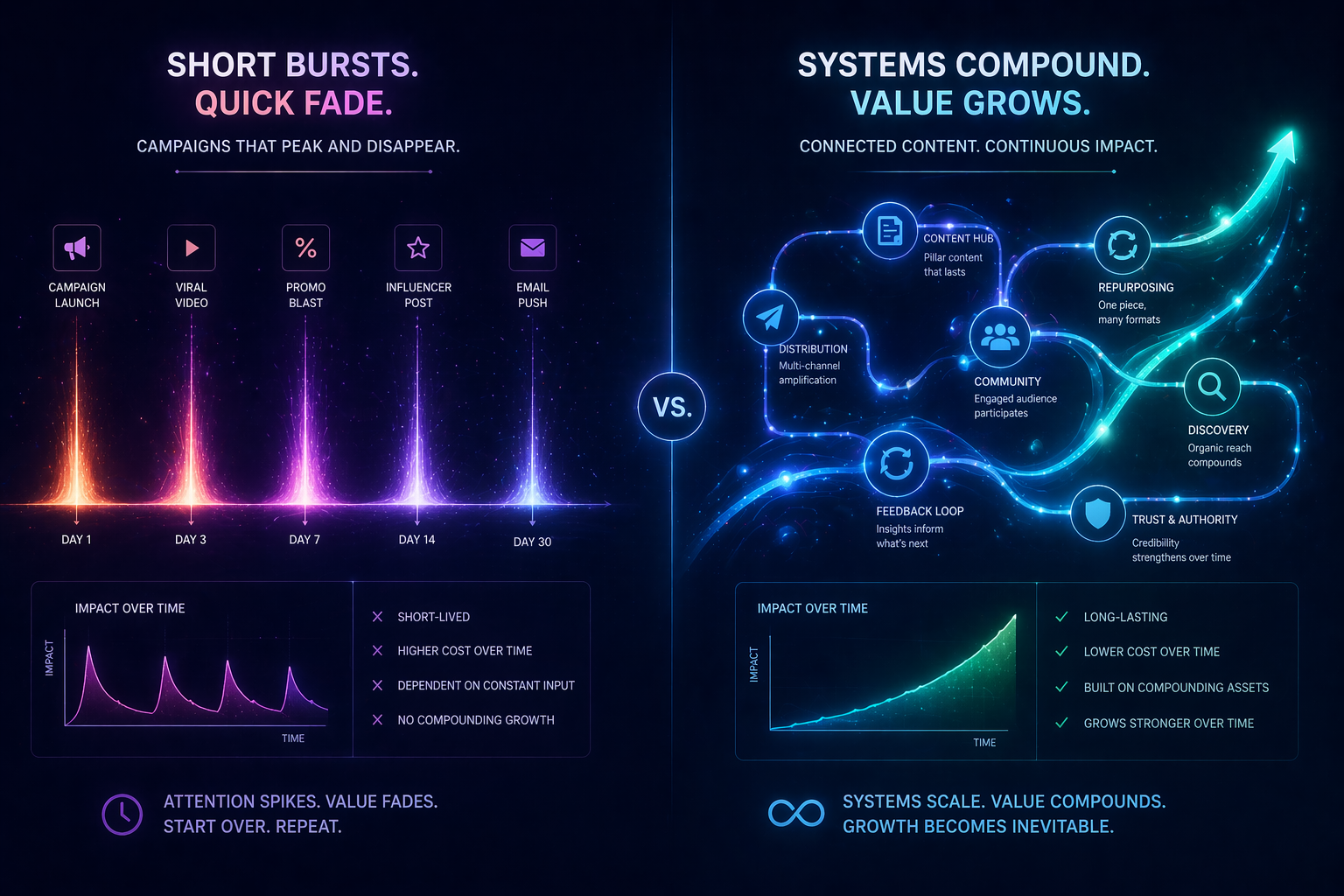
The most important shift in 2026 is not tactical but structural, and it fundamentally changes how brands approach marketing at every level. For years, marketing has been built around campaigns: short-term bursts of activity designed to generate immediate results. In a landscape where AI shapes visibility, creators influence perception, and culture determines relevance, this approach is becoming increasingly limited.
Campaigns are temporary and isolated, designed to start and end within defined timeframes. Systems, by contrast, are continuous and compounding, evolving through constant optimization and learning. In today's environment, success is no longer driven by individual launches or moments of visibility, but by the ability to build an integrated system where content, distribution, and performance reinforce each other over time.
This shift requires brands to rethink how their marketing functions are structured. Instead of operating in silos, where performance, content, and brand teams work independently, high-performing companies are building connected models where strategy, production, and optimization are aligned from the beginning. Content is no longer treated as a one-off asset, but as part of a larger ecosystem that continuously adapts based on data, platform behavior, and audience response.
At the same time, marketing itself is becoming less about control and more about alignment. Rather than forcing a single message across all channels, brands must create flexible frameworks that allow creators to interpret content within specific cultural contexts while still maintaining a clear strategic direction. This balance between structure and adaptability is what enables content to move effectively across AI systems, creator platforms, and fragmented audiences.
This is also why relying solely on an ads agency is no longer enough for brands pursuing sustainable growth. Paid media can drive traffic and short-term performance, but it cannot build the infrastructure required to consistently generate visibility, trust, and conversion in an AI-driven ecosystem. What brands need instead is a partner capable of connecting AI visibility, creator strategy, and cultural relevance into one cohesive system.
This is where agencies like Disrupt play a critical role, helping brands move beyond isolated tactics and build scalable marketing systems designed for long-term growth. In 2026, marketing is no longer about being seen once. It is about being consistently surfaced, trusted, and chosen over time.