
When managing Amazon advertising, there comes a point where performance simply stops improving. Impressions are strong, keywords have been expanded, and bids are continuously adjusted, yet results remain largely unchanged. Adjusting bids is certainly necessary, but it cannot generate results on its own. What truly determines outcomes in Amazon PPC is not the bid itself, but the overall system: conversion rates, the relevance between keywords and products, and how data accumulates over time. This article breaks down why bid optimization alone cannot drive Amazon PPC performance, and where that structural limitation begins.
When Performance Stalls, Why Do We Always Turn to Bids?
Because in the early stages, it actually works. Increasing bids leads to more impressions, more impressions generate clicks, and clicks eventually translate into sales. This experience naturally becomes a pattern: when performance drops, adjust the bids.
However, once a sufficient level of data has accumulated, this pattern breaks down. Impressions may increase, but click-through rates plateau. Even when clicks grow, conversion rates fail to follow. The result is rising ad spend with declining profitability. At this point, bids are no longer a solution. They are a signal that a structural problem has already taken hold.
Amazon PPC Is Not a Bidding Contest: It Is a System of Relevance and Conversion
On the surface, Amazon PPC may appear to prioritize higher bids. But in reality, Amazon evaluates far more than bid price: the relevance between keywords and products, conversion rates on the product detail page, reviews, pricing competitiveness, and historical click and purchase data are all factored in simultaneously. The implication is straightforward. High bids alone do not guarantee performance. Amazon prioritizes products that are most likely to convert, which is why brands can set higher bids on the same keywords and still receive fewer impressions than competitors, or rank at the top while generating almost no conversions.
In this system, Amazon SEO optimization is not merely about search visibility. It is directly tied to advertising performance, because ads drive traffic, and it is the product page content that converts that traffic into actual purchases.

Why Data and Keyword Strategies Don't Always Translate into Results
Many brands rely on data-driven decision-making, using various tools to identify high-volume keywords, enter competitive categories, and increase bids to secure visibility. This approach appears logical, but it often produces outcomes that diverge from expectations. Traffic increases while conversion rates remain low, and advertising efficiency declines over time. The issue isn't the data itself; it's how the data is being interpreted. Search volume may indicate interest, but it does not necessarily reflect purchase intent. Ultimately, the key question isn't how much traffic you're generating, but whether the structure exists to convert that traffic into actual purchases.
Growth Comes from Structural Design, Not Optimization
Growth on Amazon is never the result of a single variable. Advertising drives traffic, the product detail page drives conversions, and reviews build trust. Each of these elements feeds into data that shapes the next phase of strategy.
However, many accounts operate with these elements disconnected. Ads run continuously, but the conversion infrastructure is weak. Data accumulates, but it fails to inform actionable strategy. In this state, no matter how precisely bids are adjusted, performance cannot break through a certain ceiling. What is needed at this stage is not more optimization, but a fundamental redesign of the overall system. This is why many brands facing growth stagnation begin looking to external partners such as global marketing agencies, not for day-to-day campaign management, but to redefine their entire strategy from the ground up.
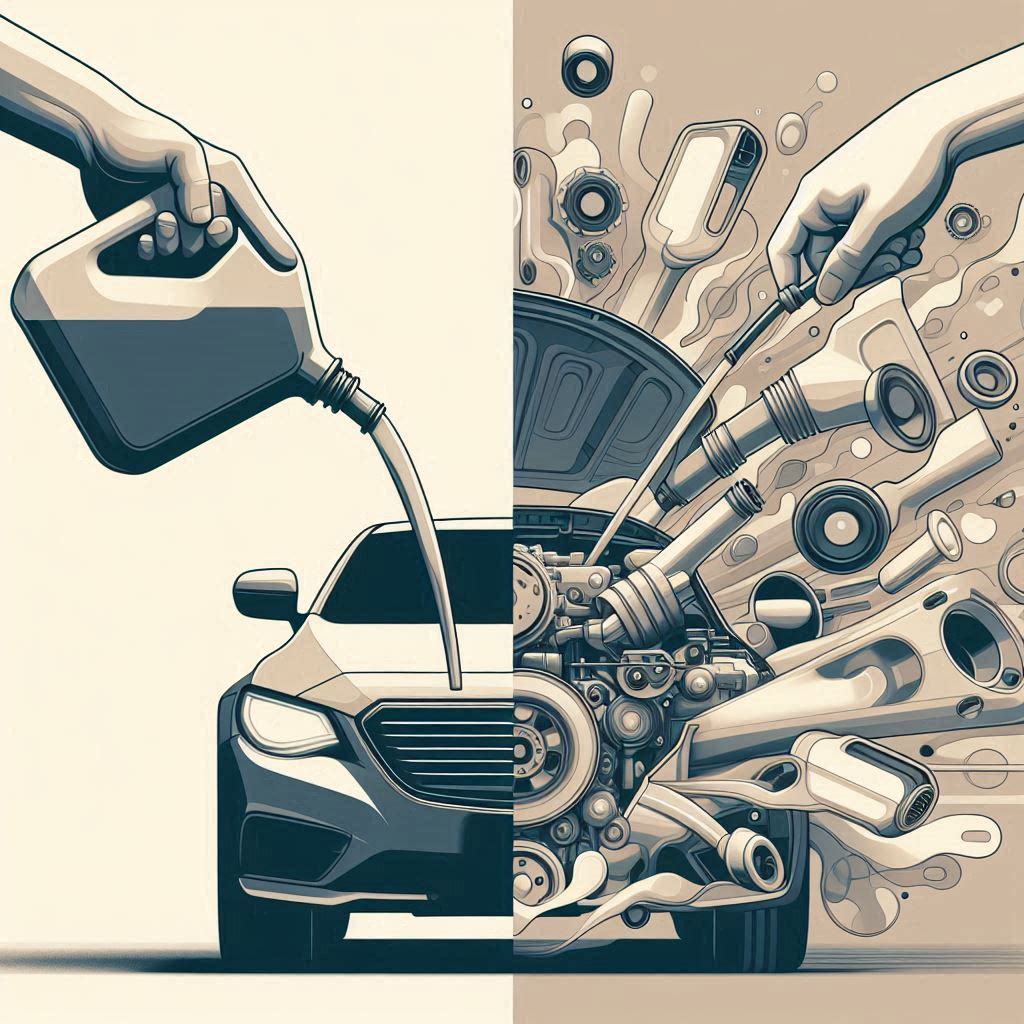
In the end, performance in Amazon PPC is not driven by bids. Bids are merely a variable operating on top of an existing structure, and raising bids without a conversion-ready foundation is like pouring fuel into a broken engine.
Performance is always built the same way: the right traffic is acquired, that traffic converts into sales, and those results feed back into data that strengthens the next phase of strategy. Without this cycle, growth will inevitably stall at some point, and many brands make the same mistake when they reach this wall. They invest more budget and raise bids, but optimization without structure can never produce sustainable growth. The key is not doing more. It is designing the system correctly. On Amazon, growth always begins again the moment you understand the structure.