

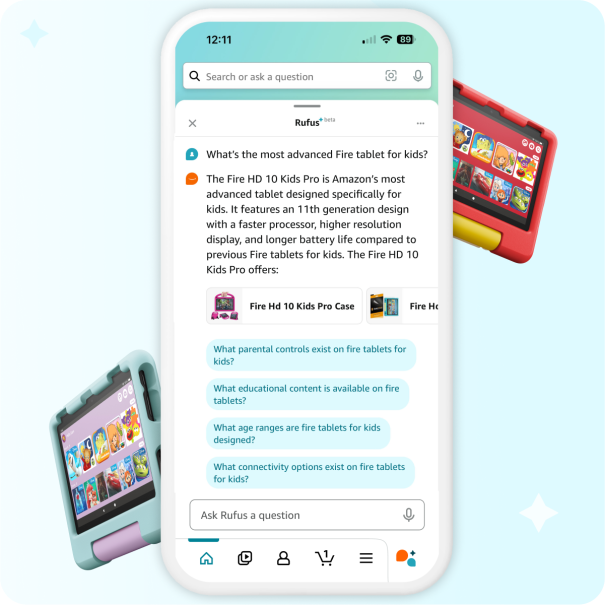
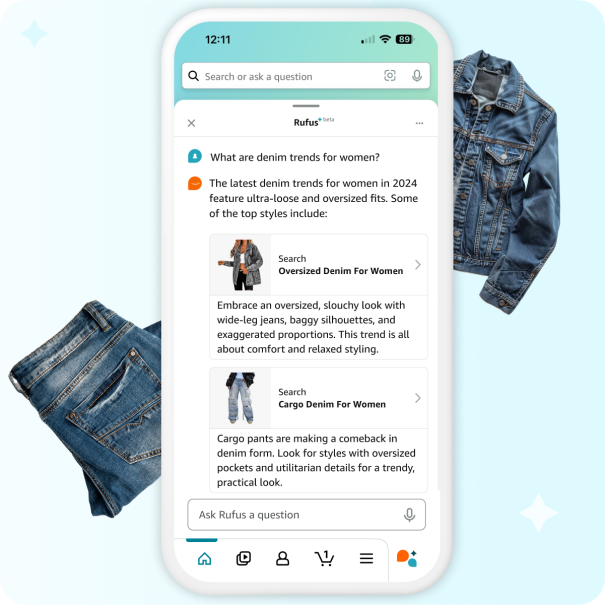
The landscape of consumer search behavior is undergoing a fundamental shift. Rather than relying solely on fragmented, short-tail keywords, modern shoppers are increasingly engaging with AI assistants through direct and conversational inquiries. Today’s consumers are more likely to ask nuanced questions such as “Which serum is best for sensitive skin?” or “Which sunscreen works best under makeup?” as they seek tailored recommendations based on specific skin types, concerns, and personal routines. This transition from basic keyword searches - like “vitamin C serum” - to sophisticated AI-driven chats marks a significant evolution in how products are discovered.
Historically, visibility on Amazon was primarily a function of traditional SEO, where brands focused on ranking for high-volume keywords to capture traffic. While this remains a vital component of a digital strategy, AI-powered systems now play a decisive role in determining which products are recommended. These advanced models interpret product pages holistically, prioritizing structured information, contextual clarity, and the relevance of a product's response to a specific user query.
In this evolving ecosystem, visibility is no longer just about appearing in a list of search results; it is increasingly defined by being featured in conversational responses. For brands, this necessitates a shift toward ensuring that product pages clearly communicate who the product is intended for and how it integrates into a customer’s lifestyle. Ultimately, being clearly understood by AI systems is becoming just as critical as being found through traditional keywords.

LLM optimization is the strategic process of structuring and enriching product listings to ensure AI systems can accurately interpret, summarize, and recommend them to the right audience. Unlike traditional SEO, which centers on keyword indexing, LLM optimization prioritizes clarity, context, and the quality of structured data. Large language models analyze a wide array of inputs - including product attributes, use cases, ingredient details, FAQ modules, customer reviews, and even image descriptions - to grasp a comprehensive understanding of a product's value proposition.
The primary objective is to make a listing semantically rich and machine-readable rather than simply keyword-dense. This involves fully refining backend attributes and clearly defining target audiences alongside specific use cases. Furthermore, it requires incorporating question-based content that reflects the natural language of real customers. For instance, a beauty product should go beyond mentioning “niacinamide serum” by explaining that it effectively addresses uneven skin tone, is suitable for oily or acne-prone skin, and fits seamlessly into a specific daily skincare routine.
Effective LLM optimization also encompasses elements often neglected in traditional SEO, such as A+ content image alt-text and structured FAQ sections. These enhancements provide much stronger signals to AI systems both within and outside the Amazon platform. By optimizing these touchpoints, brands can ensure their products are accurately represented and prioritized whenever an AI generates a summary or a personalized recommendation.
As AI continues to reshape the discovery process, gaining visibility within these systems moves beyond mere incremental exposure; it becomes a matter of strategic positioning. When a product is selected for an AI-generated recommendation, it is presented as a curated solution to a specific need, which inherently builds consumer trust and shortens the path to purchase.
For forward-thinking brands, LLM optimization shifts the goal from simply ranking in search results to becoming the preferred recommendation in conversational discovery. Over time, this approach strengthens category association, improves the quality of incoming traffic, and supports sustainable long-term growth. In an increasingly AI-driven marketplace, the ultimate competitive advantage will belong to the brands that are not only searchable but are unmistakably understood by the systems that guide modern consumers.


