Beauty brands on Amazon rarely stop growing because traffic disappears. Instead, growth typically stalls at a much more subtle juncture. Even when ads are running, traffic is flowing, and reviews are accumulating, conversion rates often hit a plateau. At this stage, many marketing teams attempt to diagnose the issue by adjusting keywords, bids, or budgets. However, the more fundamental question remains: “Can customers actually imagine themselves using this product?”
Beauty products are not merely functional commodities; they are experience-driven purchases. The specific sensations and results a customer expects to feel become the true criteria for their decision. This is why seeing the product in action is paramount. A video that clearly demonstrates the usage flow does more than just deliver information; it creates a sense of conviction.
While a static product detail page often struggles to communicate nuances like texture, spreadability, absorption speed, or the resulting glow, a usage video places that experience directly into the customer’s mind. By showcasing the texture spreading across the hand, the smooth movement as it glides over the skin, the absorption process, and the immediate after-effects, the brand invites the shopper to stop evaluating and start imagining. This psychological shift is what ultimately drives conversion. For shoppers arriving via Amazon PPC with high search intent, the absence of usage context often leads to clicks without purchases. While this may look like an efficiency problem on a spreadsheet, the root cause is frequently a lack of consumer conviction.
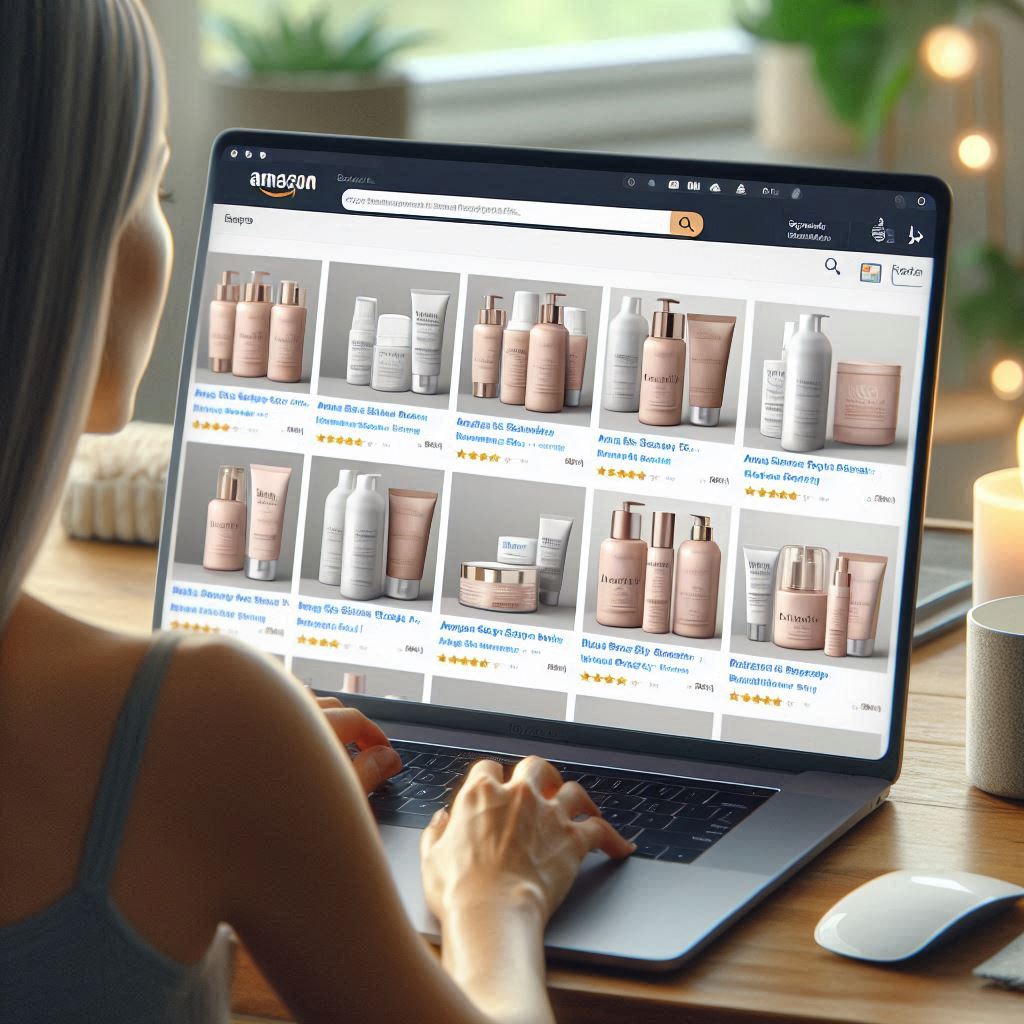
Amazon advertising is generally categorized into three primary formats: Sponsored Products (SP), Sponsored Brands (SB), and Sponsored Display (SD). SP is product-focused, placing individual items directly in search results to drive immediate sales. SB focuses on the brand as a whole, appearing at the top of search results and including formats like Store Spotlights and Video. Within this category, SB Video stands out because it auto-plays directly within the search results. Finally, SD centers on retargeting and re-engaging shoppers who have previously interacted with a brand or viewed similar audiences.
The role of SB Video within this ecosystem is unique because it allows a brand to demonstrate the usage moment before the customer even clicks. While persuasion in an SP campaign begins after the click, SB Video initiates that persuasion beforehand. For instance, a customer searching for a “glass skin serum” who sees a real application scene - where light reflects naturally to create a dewy finish - absorbs the experience before processing the technical details. A click generated in this state is not mere exploration; it is a step toward comparison with a baseline of conviction already established. Consequently, SB Video acts less as a traditional branding tool and more as a structural lever at the top of the conversion funnel.
When brands complain that ROAS is stagnant or that increased ad spend is not yielding proportional revenue, the issue is rarely the technical ad setup. More often, it lies in the content structure. Because Amazon PPC is a click-based model, bid adjustments cannot solve the core problem of low post-click conversion. High-performing conversion drivers typically depend on a few clear factors:
- The clarity of the usage moment.
- The immediate visibility of product differentiation.
- The communication of value within the first three seconds.
- The alignment between the ad message and the product detail page.
In the beauty category, where comparison is exceptionally intense, shoppers move rapidly between competing products. The brands that win are those that communicate exactly how a product feels and functions with total clarity. Many K-Beauty brands that once relied solely on reviews or price competitiveness have found that implementing SB Video allowed them to structurally improve their conversion-to-click ratios. In these cases, the deciding factor was not high-end production quality, but rather the clarity of the usage context. True optimization begins with message alignment, not just numbers.
The Amazon marketplace is reaching a point of saturation where simply adding more keywords or increasing budgets is no longer a viable long-term strategy. This shift is why many brands are seeking specialized Amazon agencies - not merely for ad execution, but for strategic partners capable of redesigning the entire sales funnel.
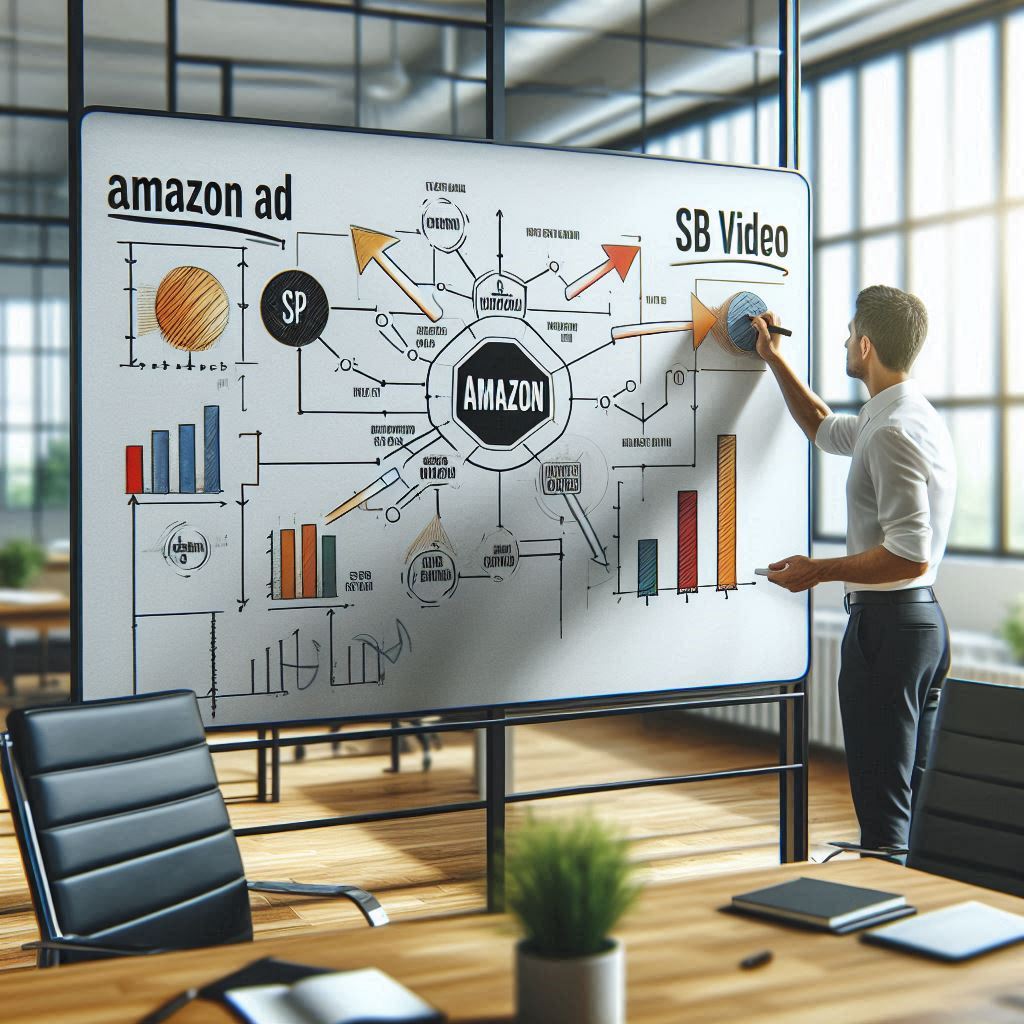
For K-Beauty brands preparing for global expansion, advertising must move beyond experimental tactics toward integrated management services. Success is no longer about simply choosing ad types; it is about designing a cohesive ecosystem where SP, SB, and SD work in tandem. Ultimately, winning on Amazon is not determined by the volume of visibility, but by the effectiveness with which conviction is engineered.